


### Blog Post:
Whole home battery backup systems are changing the way homeowners protect against grid outages, but in 2026, the real costs, risks, and payback potential are shifting fast. Before you spend $20,000 or more, know what you’re truly getting, what incentives remain, and where the biggest pitfalls lie—especially as climate-driven outages increase and incentives disappear.
Key Takeaways
- Typical whole home battery backup systems cost $22,000-$40,000 for full-home coverage in 2026, with costs per usable kWh between $850–$1,200, and key federal incentives have ended.
- State and utility rebates (like California SGIP, ConnectedSolutions in the Northeast) can trim thousands off the total but availability and amounts are rapidly changing.
- Real-world reliability depends as much on proper sizing and installer skill as on battery brand; risks include mis-sizing, poor backup power duration, and subpar install quality.
- Is Whole Home Battery Backup Ready for Widespread Adoption in 2026?
- What Does a Whole Home Battery Really Cost in 2026?
- Available Incentives and How They Affect Return on Investment
- Real-World Pain Points: What Buyers Should Demand and Dread
- Comparing Options: Solar Batteries Without Solar, and Battery vs. Generator
- The Biggest Gaps for 2026 Buyers (And What Might Change by 2027)
- FAQ
Is Whole Home Battery Backup Ready for Widespread Adoption in 2026?
The global whole home battery backup market reached an estimated $11 to $12 billion in 2026, highlighting explosive adoption over the past five years. Growth is now steady rather than meteoric, with the United States making up nearly $4.9 billion alone. Europe—thanks to leadership in Germany, Italy, and the UK—crossed 22 GWh of new residential battery installs in 2024, pushing the European total to 61 GWh and over 3 million installed home batteries. The biggest hot spots remain areas with frequent outages: California, Texas, the Northeast (MA/CT/RI), and much of Germany, Italy, and the UK.
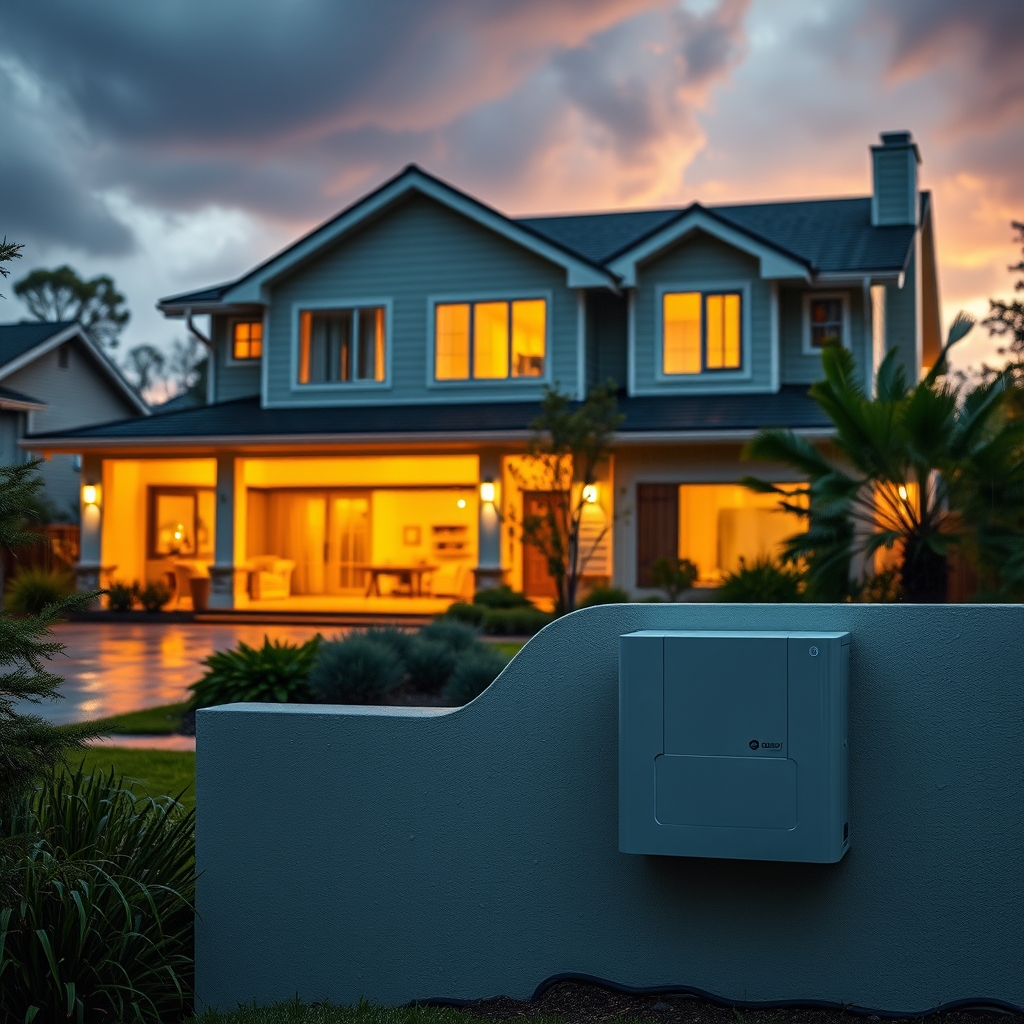
A typical “whole home” setup requires 20 to 40 kWh of storage—often two or even three batteries in parallel. Demand is highest among homeowners who want maximum resilience instead of just “essential load” backup. Unlike early adopters, today’s buyers are driven by record-setting blackouts (see our 2026 home battery cost breakdown) and a desire to avoid reliance on noisy, high-maintenance generators.
But as the market matures, incentive programs are tapering off while utility policies and battery pricing both shift. High search interest for phrases like home battery installer near me shows how confusion is growing as options multiply and manufacturer offerings change.
What Does a Whole Home Battery Really Cost in 2026?
Let’s break down what you’ll actually pay for a full whole home battery backup install in 2026. As of this year, the average system (20-40 kWh) runs $22,000 to $40,000, which equates to $850–$1,200 per usable kWh.
Here’s the cost breakdown you’ll see when you get a real quote:
| Item | Typical Range (USD, 2026) | Notes |
|---|---|---|
| Battery Modules (20-40 kWh total) | $17,000–$30,000 | Usually 2–3 units (Tesla, Enphase, Franklin, SolarEdge etc.) |
| Inverter + System Controls | $3,500–$5,500 | Hybrid inverter is standard for whole home backup |
| Installation Labor | $2,000–$5,000 | Varies by region/complexity |
| Electrical Upgrades | $1,000–$3,000 | Panel upgrades, critical load rewiring |
| Permits/Inspections | $500–$1,500 | Required in most jurisdictions |
Critically, the 30% residential clean energy credit (federal ITC) expired at the end of 2025. This is causing many buyers to see “sticker shock” as they lose up to $10,000 in credits that were available just a year ago (source).
State and utility incentives are now the primary source of cost relief, but programs are niche and vary dramatically, making the total outlay highly dependent on your location.
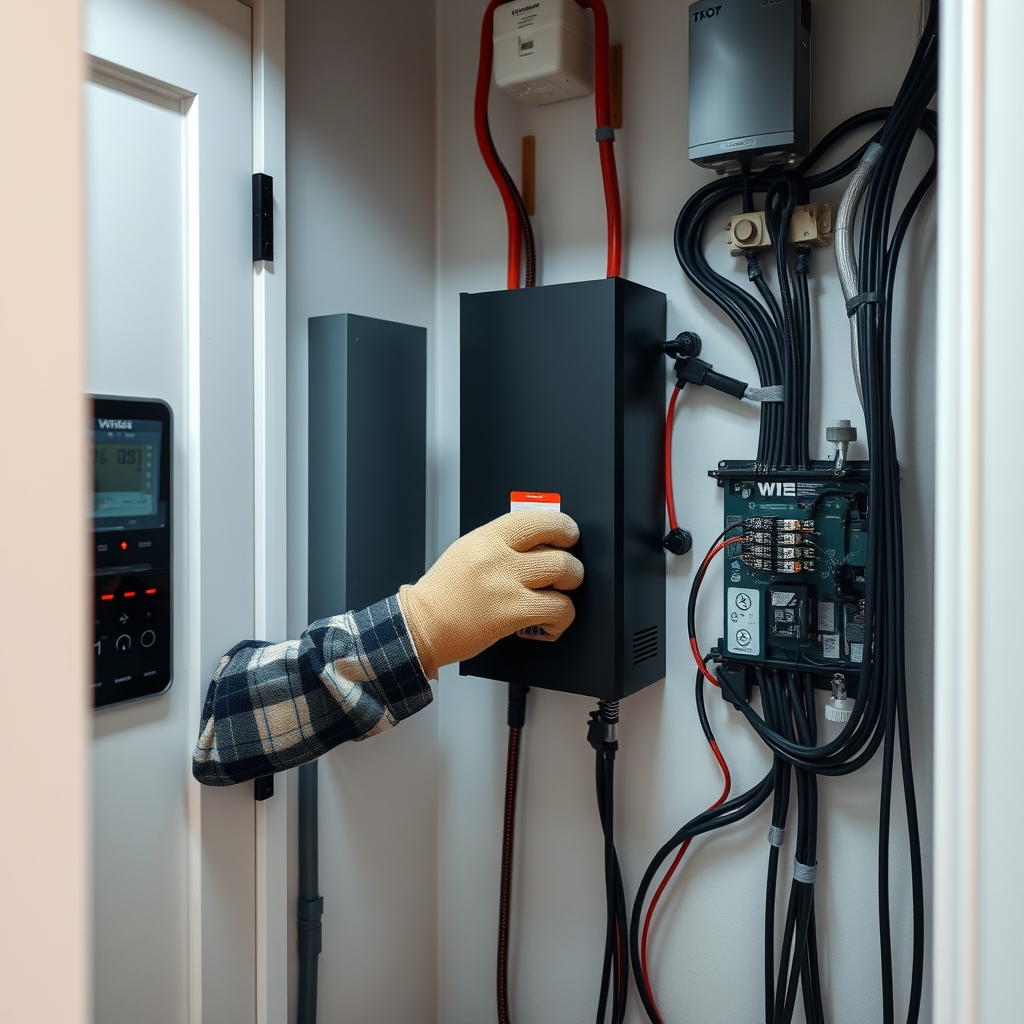
Compare battery backup vs generator cost carefully. While a propane or gas generator can cover whole home loads for $8,000–$14,000, recurring fuel/maintenance, noise, and air quality issues are worse—and local codes may restrict install. However, batteries are still more expensive up-front: you’ll only get a payback if future outages are frequent, your utility pays significant demand-response fees, or you capture high time-of-use savings with solar integration (detailed US cost guide).
For more brand comparisons open our in-depth chart at home battery storage cost 2026.
Available Incentives and How They Affect Return on Investment
Most buyers who went solar or battery in 2024–2025 got an instant 30% federal tax credit. With that gone, your payback timeline now depends on state and utility programs—if they’re even offered in your area.
Best-in-class state/utility programs as of 2026:
- Massachusetts, Connecticut, Rhode Island (ConnectedSolutions): Pays $225–$275 per kW of load you allow to be remotely discharged in peak periods—some homeowners earn $2,000 or more over the first five years.
- California Self-Generation Incentive Program (SGIP): Offers $150–$1,000 per kWh of battery capacity ($3,000–$30,000 for a big system), with highest rates for medically vulnerable/low-income customers.
- Other states: Spotty programs in New Jersey, Arizona, Utah, Colorado, Maryland, Oregon sometimes offer $500–$2,500 incentives (see up-to-date list).
But in most of the country, especially in the Midwest and South, incentives are minimal if not absent (compare in your region).
Key ROI factors:
- Utility aggregator programs (like VPPs) can improve payback by $500–$2,500 per year—but only if you enroll and your utility participates.
- Standalone batteries without solar carry poor payback unless you have frequent outages or unique rate arbitrage.
- Work with a home battery installer near me who understands the local rebate maze; missed paperwork can cost you thousands.
All told: payback is likely 10–15 years minimum for most non-solar batteries, and only 7–10 years if you combine heavy outage risk, high utility rates, and strong rebates.
Real-World Pain Points: What Buyers Should Demand and Dread
Without hype: here’s what homeowners actually complain about after several years with a battery backup system.
- Short backup runtimes during extended blackouts: Most “whole home” batteries will only cover typical US usage for 18–36 hours. In multi-day outages, you must severely restrict consumption—or risk going dark well before grid restoration.
- Warranty caveats and hidden degradation: Batteries using LFP chemistry guarantee 3,000–6,000 full cycles or 10–15 years, but field data shows capacity often dips below warranty floors after 9–10 years. Warranties may require consistent usage reporting, annual maintenance, or specific installer paperwork for claims.
- Installer and equipment failures: “Best home battery for blackouts” is meaningless if the installer is inexperienced. Improper wiring, poor inverter matching, or software communication glitches are the top causes of system failures—these require lengthy, expensive service calls.
- Variable outage detection and switchover time: Not all systems switch instantly—cheaper “whole home” kits may take 1–5 seconds, risking damage to computers or sensitive electronics.
What to demand:
- Clear disclosure of average and worst-case backup duration for your household’s specific usage—not just battery size ratings.
- Written guarantees of install quality and after-the-sale service support for at least 5–10 years—and check online reviews for similar jobs.
- Ask: Is the system supported by 24/7 monitoring, remote diagnostics, and a local service technician network?
How leading brands compare on average backup time (assuming a 30 kWh installed system):
| Brand | Approx. Backup Hours (Average U.S. Home) | Warranty (Years) |
|---|---|---|
| Tesla Powerwall 3 (3 units) | 30–38 hours | 10 |
| Enphase IQ 5P (6 units) | 24–34 hours | 15 |
| FranklinWH aPower | 28–35 hours | 12 |
| SolarEdge Energy Bank (3 units) | 29–36 hours | 10 |
For a deeper dive into install reliability and post-sale quality, read our internal guide: best home battery for blackouts.

Comparing Options: Solar Batteries Without Solar, and Battery vs. Generator
Can you install a home battery if you don’t have solar? Yes—but the numbers often do not add up.
Incentives for battery-only setups have mostly dried up. Financing is less attractive, and many utility programs require bundling with solar or demand-response enrollment. A standalone battery at $11,000–$15,000 for 10–14 kWh storage, or $22,000–$40,000 for 20–40 kWh, typically delivers poor ROI unless you face frequent or extended outages every year (details here).
Compare that to a gas or propane generator:
- Up-front cost: $7,500–$13,000 for a full-home standby generator, including transfer switch and install.
- Ongoing costs: $500–$1,000 per year in fuel, maintenance, repairs, and replacement parts.
- Noise & emissions: Generates >60dB during operation, emits CO2 and NOx.
- Operational reliability: Can run indefinitely with enough fuel, but startup delays and parts failures are common.
Batteries are quieter, require less maintenance, and can recharge from solar if available, but they are more expensive up-front and have limited backup duration. For buyers in regions with lots of outages and strong solar production, a battery—especially paired with rooftop solar—offers the best long-term resilience and future utility bill optimization. If you lack solar and incentives, a generator may actually be the more rational economic choice for 2026.
For full details, see our solar battery without solar panels explainer, or compare long-term costs in our breakdown of battery backup vs generator cost.
The Biggest Gaps for 2026 Buyers (And What Might Change by 2027)
Before you decide, know where the market still fails whole home battery backup buyers in 2026:
- No standardized backup duration metrics: Vendors quote “up to” hours at minimal load, but there is no independent, real-world, full-home verification—making real performance unclear.
- Fragmented incentives, especially for non-solar batteries: Incentives come and go, vary by utility/state, and many exclude battery-only installs. Most programs require complicated applications and strict enrollment windows.
- Installer certification is inconsistent: Licensing rules lag market growth. Many “authorized” installers have little backup experience and follow minimal manufacturer training, leading to reliability problems.
What to watch for by 2027:
- Efforts to create national standards are underway but may not bring major change until 2027 or 2028.
- Installer training requirements are tightening in California, New York, and Germany, with other regions likely to follow.
- Utility-run virtual power plants (VPPs) are expanding, which could improve both reliability monitoring and user payouts.
Always confirm your installer’s track record and get independent references. For a more granular look at local incentives and reliability gaps, check out our 2026 market map and guide.
FAQ
How many hours of backup will a whole home battery backup system provide for the average house?
For a standard 30 kWh system, expect 20 to 36 hours of full-home backup (normal use). If you’re careful with usage—avoiding AC or EV charging—you may stretch to 36–48 hours. Multi-day outages require severe load limiting or a solar recharge.
Do you need solar panels for a home battery system?
No, but most incentives, best ROI, and recharge capability occur with solar. Battery-only setups are rarely cost-effective unless you have frequent (1+ outages/month) blackouts.
Can you run AC or heating with a whole home battery backup?
Yes, if your battery and inverter are sized for the startup load. However, running central AC, a heat pump, or furnace fan will significantly reduce runtime (sometimes to less than 12–18 hours).
Are there any risks to installing a home battery backup system?
Yes. Risks include under-sizing (leading to short runtime), unreliable installation and service, inverter faults, warranty-voiding mistakes, and in rare cases, potential fire or system damages from improper setup.
Can batteries replace standby generators in 2026?
For short outages, batteries outperform generators in reliability and noise. But for multi-day outages, generators still have an edge unless you have oversized batteries plus solar to recharge.
Conclusion
Whole home battery backup is more accessible, powerful, and necessary than ever—but its real price, incentive reality, and risk profile require careful due diligence now that federal credits have lapsed and more outages loom. Talk to a reputable installer, dig deep into your utility and state incentives, and always compare battery backup to generator options, especially if you lack solar. Want a break-even return and genuine peace of mind? Only the right battery, the right size, and the right installer near you can deliver on the promise of reliable whole home battery backup in 2026 and beyond.
Ready to take the next step? Start by comparing real quotes, request references, and use our internal guides to find the most experienced teams in your region.