


### Blog Post:
Whole home battery backup is becoming a go-to solution for Americans who want reliable power through outages, storms, or energy price spikes. But is the technology really ready for 2024–2026, and how much does a full installation cost? This guide demystifies the costs, payback, new tech, and the real-world trade-offs you need to know before making the leap.
Key Takeaways
- Whole home battery backup systems cost $8,000–$30,000 in the US for a typical house, with prices dropping yearly and incentives cutting 20–30% off the total bill.
- Battery lifespan (10–15 years), system sizing, and incentive rules are the main pain points—working with a specialist installer addresses most issues.
- Modern batteries beat generators for convenience and lifespan, and the best home battery for blackouts is almost always modular and installed by a certified pro.
- Why Whole Home Battery Backup Is Surging (2024–2026)
- What Does a Whole Home Battery Backup System Actually Cost?
- Real-Life Pain Points and How Top Installers Solve Them
- Comparing Battery Backup vs. Generator—Costs and Convenience
- What the Top-Ranking Guides Miss: Payback, Environmental Impact & Incentives
- Choosing the Right Battery System for Your Home—and Blackout Needs
- Next Steps: Find the Best Home Battery Installer Near You
- Conclusion
- FAQ
Why Whole Home Battery Backup Is Surging (2024–2026)
Frequent blackouts, growing electricity demand from AI data centers, and rising energy costs are pushing more US homeowners to consider whole home battery backup systems. The global market is climbing from $7.4 billion in 2025 to $9.4 billion by 2026, with the US representing nearly $4.9 billion. Europe and Asia-Pacific see similar trends, as more families want energy independence and peace of mind.
If you live in blackout-prone states like Texas or California, or have essential needs like home medical equipment, the urgency is even clearer. Install rates for home battery systems hit record highs in early 2026.
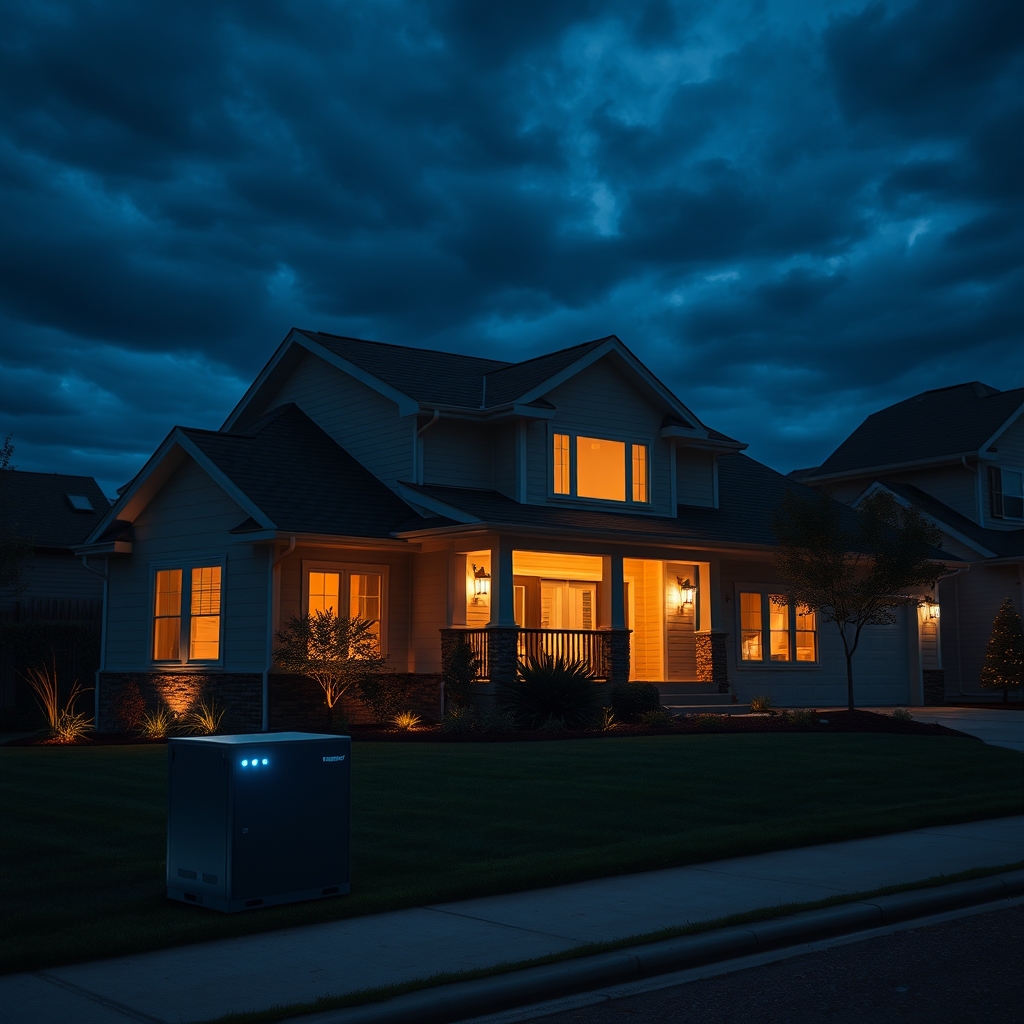
Batteries are no longer a niche product—they’ve become a practical solution for storm season, wildfires, and day-to-day grid wobbles. Market size reports and real user feedback suggest this is only accelerating as prices fall and incentives improve.
What Does a Whole Home Battery Backup System Actually Cost?
Homeowners see a wide cost range for battery installs. In the US, the average total cost for a properly sized, whole home system (10–30 kWh) is $8,000–$30,000, according to recent guides and industry sources. Here’s the breakdown (2024–2026):
- Hardware: $9,300–$15,000 (for brands like Tesla, Enphase, Bluetti)
- Labor: $4,000–$7,000 (complexity depends on your panel and wiring)
- Permits: $500–$1,500
By 2026, the home battery storage cost per usable kWh will drop to $850–$950—down from $1,200 just a few years ago. In Europe or Asia-Pacific, lower labor costs mean pricing can be 10–20% less on average. You’ll still want to check if battery incentives are offered locally, as government programs make a big difference.
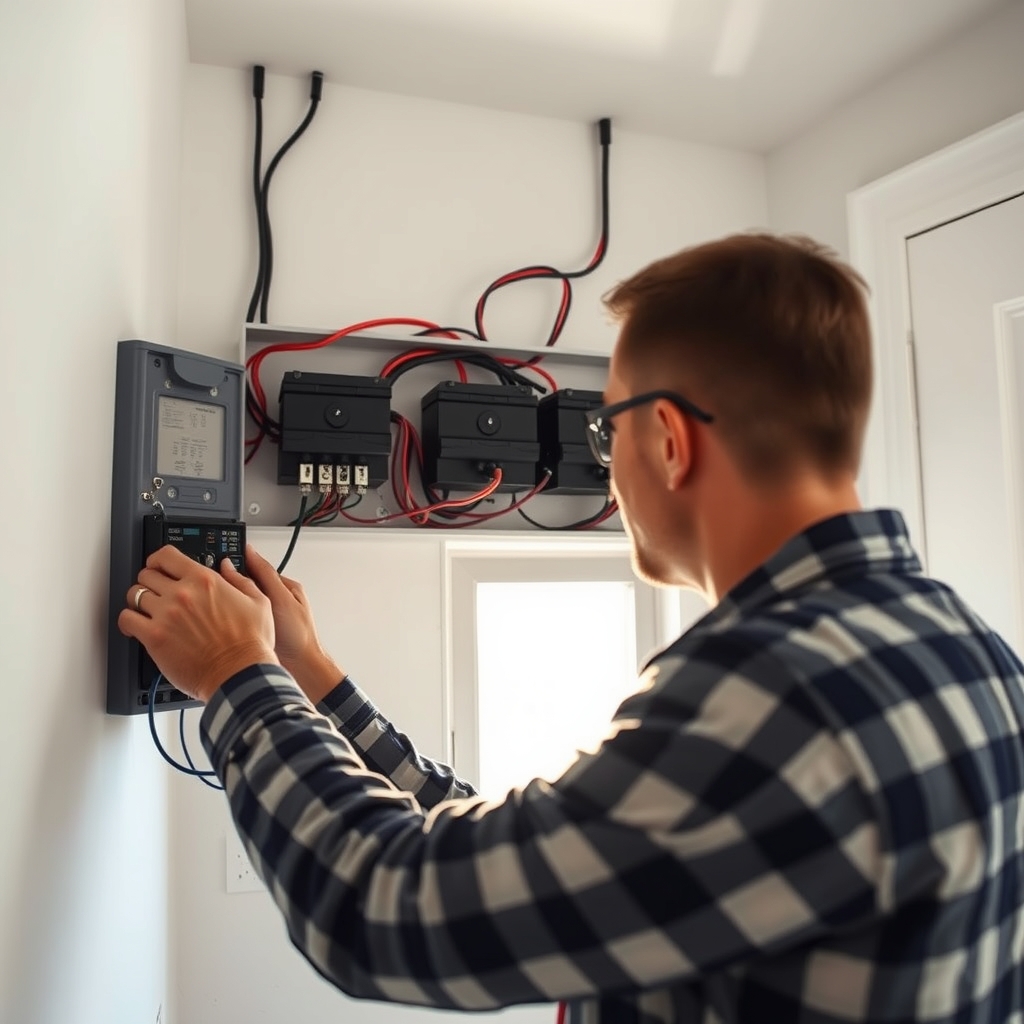
With the federal 30% residential clean energy credit (expiring end of 2025), you instantly cut $2,500–$9,000 from your net cost on most complete installs. California has up to $2,500 in extra rebates, and Germany offers €2,500–€5,000 in KfW loans for residential batteries (see our in-depth battery cost guide).
Battery backup vs generator cost is a common debate. Batteries cost more upfront, but the true lifetime cost (including fuel, maintenance, noise, and emissions) can make batteries cheaper over 10–15 years, especially with smart grid incentives.
Real-Life Pain Points and How Top Installers Solve Them
Installing a whole home battery backup is not just about picking a model and writing a check. Homeowners regularly hit the same five obstacles:
- Upfront Costs: Certified installers offer payment plans and leasing, or bundle solar for less out-of-pocket.
- Battery Lifespan: Expect 2–3% annual capacity loss, 6,000–9,000 cycles, 10–15 years of warranty. Most installers now use LiFePO4 batteries for better longevity and will plan for inverter/module replacement ($1,000–$3,000 at year 10–15).
- Safety: Fire ratings, BMS thermal monitoring, and code-compliant installs reduce risk—don’t DIY this.
- Permitting & Red Tape: The right home battery installer near me can handle utility paperwork, interconnection, and all local code requirements for you. This is critical for grid approval.
- System Sizing: High-demand devices (HVACs, well pumps) require exact load analysis. The best home battery for blackouts is always sized for your essentials or whole house, not one-size-fits-all.
Reputable installers will walk you through these issues, ensure your system meets local requirements, and help you access every possible dollar in rebates and tax credits.
Comparing Battery Backup vs. Generator—Costs and Convenience
If you’re considering a generator as backup, know the pros and cons. Here’s a realistic side-by-side:
| Factor | Battery Backup | Standby Generator |
|---|---|---|
| Upfront Cost (10–30 kWh) | $8,000–$30,000 | standby generator$7,000–$18,000 |
| Maintenance | Minimal (monitor app, dust filters) | Annual service, fuel storage |
| Noise/Emissions | Silent, no emissions | Loud, emits CO2 |
| Blackout Readiness | Instant, fully automatic | 10–30 seconds to start |
| Incentives | 30% federal credit (+state/local) | Rarely, if ever |
| Lifetime Cost (15 years) | Often lower than generator + fuel | Higher due to fuel/maintenance |
Batteries are more expensive than generators upfront, but generally less costly over their ownership period—especially when factoring in government incentives and avoided fuel costs. Generators shine for ultra-long outages, but require regular fuel, oil, and noise tolerance.
What the Top-Ranking Guides Miss: Payback, Environmental Impact & Incentives
Many mainstream guides ignore some of the most important numbers:
- True Payback: As batteries slowly degrade (2–3% per year), your energy savings will decrease. Account for this in your ROI, not just based on day-one capacity.
- Environmental Impact: Modern LiFePO4 (LFP) batteries have lower embodied CO2 and improved recycling at end of life compared to older chemistries. Compare the lifetime emissions with generators and check if your installer participates in battery recycling.
- Home Battery Storage Cost 2026: With global costs dropping, $850–$950 per kWh is now achievable by 2026, especially in mature US, European, and Chinese markets.
- Solar Battery Without Solar Panels: Most batteries can operate standalone for backup, but grid-tied savings are lower versus solar-plus-storage. Still, incentives often apply to “battery-only” installs, at least through 2025.
- Incentive Programs: Beyond the US federal 30% credit (ends 2025), California offers up to $2,500 in SGIP rebates, and Germany grants €2,500–€5,000 in KfW-backed loans for home batteries.
Combine these incentives and plan realistically for battery replacement or upgrades after the 12–14 year mark. If you’re budgeting for a whole home battery backup, factor in a potential $1,000–$3,000 inverter/module replacement in the 2036–2040 window.
Choosing the Right Battery System for Your Home—and Blackout Needs
Selecting the best home battery for blackouts is all about matching real backup needs to system specs. Here’s your step-by-step framework:
- Estimate Capacity Needs: Most family homes need 20–30 kWh for full backup; essential loads may need only 10–12 kWh.
- Choose inverter output: Look for 5–10 kW continuous to run HVAC and heavy appliances. Modular stackable systems (like Bluetti or Enphase) let you add capacity later.
- Compare Major Brands: Tesla Powerwall 3 hardware starts at $9,300, Enphase IQ units run $5,500–$9,000 per module, and Bluetti’s EP900 is now a top scorer for backup performance and warranty.
- Solar Battery Without Solar Panels: You can install battery backup before going solar. Later, connect panels for even better ROI—and both the battery and solar qualify for incentives if timed right.
- Check Warranty: All top systems offer 10–15 years, often with guaranteed cycle life and remote monitoring.
Explore our full home battery buyer’s guide for a direct price/performance breakdown of top 2026 systems.
Next Steps: Find the Best Home Battery Installer Near You
Ready to move forward? Getting the right home battery installer near me is 90% of the project’s success. Here’s how:
- Get multiple quotes—ask for total installed price, not just hardware.
- Ask about system sizing, load analysis, and peak needs (HVAC, fridge, medical devices).
- Will the installer handle all permits, utility paperwork, and grid interconnection for you?
- Are incentives and rebates included in your quote, and will they help you file tax documents?
- What is the real total cost of ownership—including warranty, routine monitoring, and support?
Leading pros coordinate utility signoff, future system upgrades, and offer modular designs so your system grows as your needs do. Don’t skip this step—DIY often leads to code issues, rejected incentives, or unsafe installs.
Conclusion
Whole home battery backup is no longer only for tech enthusiasts or luxury homes. With Blackouts surging, costs dropping to $850–$950 per kWh, and incentives offsetting much of the investment, the timing is strong for a serious look at backup power. If you want to protect your family from outages and rising rates long-term, start by matching your needs to a modern, modular system—and get quotes from trusted local experts. Your next step: download our 2026 cost comparison checklist, then contact a reputable home battery installer near you for a custom plan.
FAQ
How long will a whole home battery backup run my house?
A properly sized 20–30 kWh battery (with 5–10 kW inverter output) runs lights, refrigeration, and essential appliances for 24 hours or more. Larger homes or heavy HVAC use will deplete batteries much faster. With solar, you can recharge during daylight and potentially run several days in “island mode.”
Do I need solar panels to use home battery backup?
No. You can install a solar battery without solar panels. Most battery systems work as pure backup for blackouts, recharging from the grid. You can always add solar later—or simultaneously for maximum savings—and still claim incentives.
What is the maintenance cost of a home battery backup system?
Modern systems require minimal upkeep—mainly software updates and occasional checks. After 10–15 years you’ll likely need a replacement inverter or module ($1,000–$3,000).
How do tax credits work for home battery backup?
The 30% federal Residential Clean Energy Credit applies to batteries installed through December 2025, instantly reducing your total spend by $2,500–$9,000. Many states (like California) offer further rebates. These incentives are claimed when you file your annual tax return—installers often help prepare the paperwork.
Which is better for blackouts: battery backup or standby generator?
Batteries are silent, maintenance-free, and eligible for incentives, but offer finite backup hours unless recharged with solar. Generators can run indefinitely with fuel but require more maintenance and are noisy. For most homes, a modular battery is now the best home battery for blackouts—especially if outages last less than 36 hours.
—